Cold War Era Figures

Konrad Adenauer
Led West Germany's post-war reconstruction and integration into Western institutions.

David Ben-Gurion
Architect of Israel's state and economy, absorbed millions despite austerity.

Robert Schuman
Proposed the ECSC, initiating Europe's economic and political integration.

Jean Monnet
Architect of European integration, fostering economic interdependence for peace.

Jawaharlal Nehru
India's first Prime Minister, architect of its non-aligned, mixed-economy model.

Charles de Gaulle
Established the Fifth Republic, strengthening the state's economic role and sovereignty.

Josip Broz Tito
Led Yugoslavia with self-management and non-alignment, balancing East and West.

Mao Zedong
Founded the People's Republic of China and shaped its communist economic development.

Ludwig Erhard
Architect of West Germany's 'Social Market Economy' and post-war prosperity.

Gunnar Myrdal
Swedish economist analyzing cumulative causation and institutional factors in development.

Friedrich Hayek
Advocate for free markets; warned against central planning and state control.

Raul Prebisch
Developed dependency theory, advocating import-substitution industrialization for developing nations.

Sukarno
First President of Indonesia, championed independence, non-alignment, and a guided economy.

Joan Robinson
Criticized neoclassical economics, developed imperfect competition theory and capital theory.
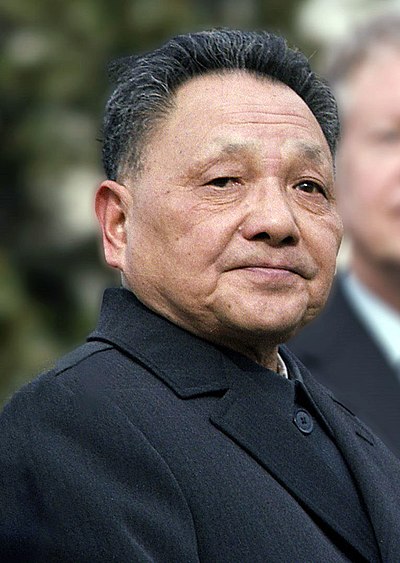
Deng Xiaoping
Architect of China's economic reforms, opening the country to market forces.
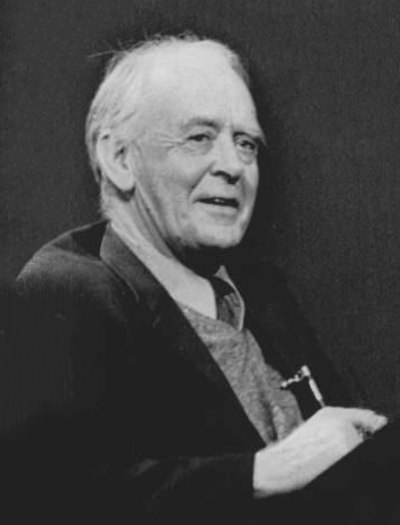
John Hicks
Synthesized economic theory, famous for the IS-LM model and general equilibrium.

Grace Hopper
Naval officer and computer scientist who pioneered compilers and high-level programming languages.

Hannah Arendt
Theorist of totalitarianism, clarifying its destruction of public and economic life.

John Kenneth Galbraith
Critiqued corporate power and the 'affluent society,' advocating for public sector investment.

Kwame Nkrumah
Led Ghana to independence and pursued rapid, state-led industrialization and Pan-Africanism.

Ronald Reagan
Championed supply-side economics, reducing taxes and regulations to spur growth.

Milton Friedman
Leading monetarist; advocated free markets and limited government.

Wernher von Braun
Architect of space age rocketry, from V-2s to Saturn V.

Willy Brandt
Normalized relations with the East, expanding trade and social welfare.

Norman Borlaug
Agricultural scientist whose high-yield crops spurred the Green Revolution, saving billions.

Paul Samuelson
Modernized economics; synthesized diverse theories into a unified framework.
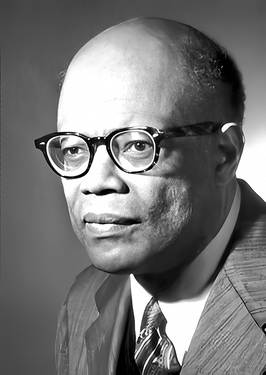
W. Arthur Lewis
Developed the dual-sector model of economic development for labor-surplus economies.

Augusto Pinochet
Imposed neoliberal economic reforms in Chile, opening markets and privatizing state assets.

Claude Shannon
Mathematician whose Information Theory revolutionized digital communication and data economics.

Park Chung-hee
Orchestrated South Korea's rapid export-led industrialization through state capitalism.

Indira Gandhi
Nationalized industries and spurred the Green Revolution for food security.

Sheikh Zayed bin Sultan Al Nahyan
Unified the UAE and directed oil wealth into modern infrastructure and diversification.
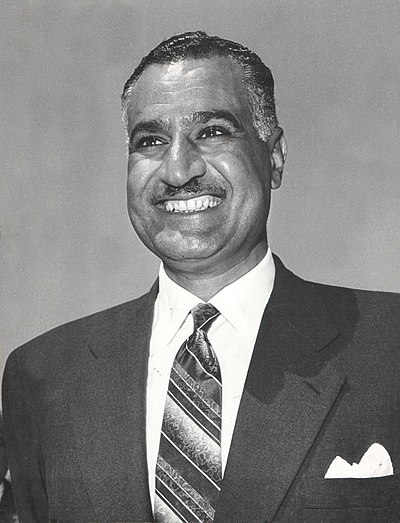
Gamal Abdel Nasser
Introduced Arab socialism and state control to Egypt's economy, modernizing its infrastructure.

Richard Feynman
Revolutionized quantum electrodynamics, inspiring innovation in computing and nanotechnology.

Hyman Minsky
Financial economist known for his hypothesis of inherent instability in capitalist economies.

Kenneth Arrow
Developed social choice theory, general equilibrium, and established impossibility theorem.

John Rawls
Theorist of justice as fairness, shaping discourse on equitable economic distribution.

Suharto
Indonesian authoritarian president who fostered rapid economic growth alongside widespread corruption.

Julius Nyerere
Championed "Ujamaa" African socialism, emphasizing self-reliance and rural collectivization.
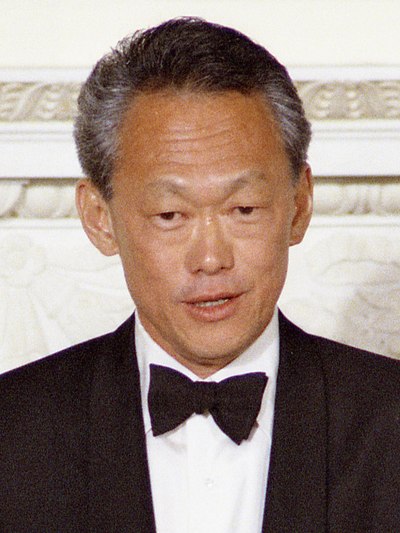
Lee Kuan Yew
Architect of Singapore's rapid economic ascent through disciplined state capitalism.

Robert Solow
Developed neoclassical growth model, emphasizing technology and capital in economic expansion.

Margaret Thatcher
British Prime Minister who implemented free-market reforms and reduced state intervention.

Fidel Castro
Led Cuba's revolution, establishing a centrally planned socialist economy.

Turgut Ozal
Modernized the Turkish economy through comprehensive market liberalization and export orientation.

Paul Volcker
Imposed severe monetary policy to conquer crippling inflation in the US.

John Nash
Developed Nash Equilibrium, revolutionizing economic understanding of strategic interactions.

Gary Becker
Applied economic rationality to explain human capital and social behaviors.
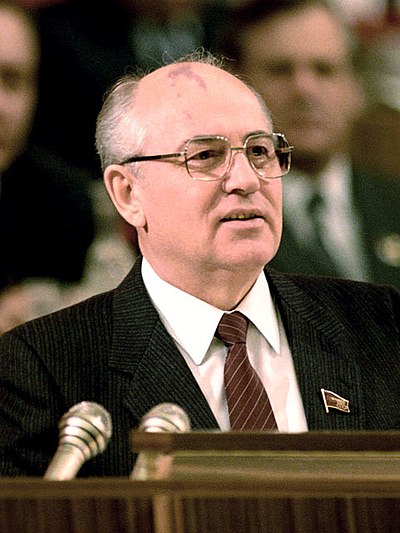
Mikhail Gorbachev
Attempted to reform the Soviet economy through Perestroika, leading to its collapse.
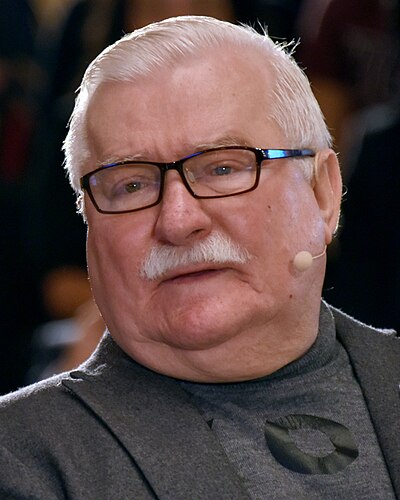
Lech Walesa
Led Solidarity, initiating Poland's transition from communism to a market economy.