Politics Figures

Thomas Jefferson
Doubled US territory; championed agrarianism and fiscal restraint.

Napoleon Bonaparte
Centralized French administration and spread liberal legal and economic reforms across Europe.

Benito Juarez
Mexican liberal president who championed economic reforms, land redistribution, and national sovereignty.

Abraham Lincoln
Preserved the Union, abolished slavery, and fostered a national industrial economy.

Otto von Bismarck
Unified Germany and pioneered the modern welfare state for social stability.

Woodrow Wilson
Established the Federal Reserve and shaped WWI economic mobilization.

Mahatma Gandhi
Led India's independence movement through nonviolent resistance and economic self-sufficiency.

Vladimir Lenin
Led the Bolshevik Revolution, establishing the world's first communist state.

Winston Churchill
British Prime Minister who led the UK during World War II and managed post-war economic challenges.

Konrad Adenauer
Led West Germany's post-war reconstruction and integration into Western institutions.

Joseph Stalin
Imposed forced industrialization and collectivization through a centrally planned economy.

Mustafa Kemal Ataturk
Founder of modern Turkey, implemented secular, statist economic and social reforms.

Franklin D. Roosevelt
U.S. President who implemented the New Deal and led during World War II.

David Ben-Gurion
Architect of Israel's state and economy, absorbed millions despite austerity.

Robert Schuman
Proposed the ECSC, initiating Europe's economic and political integration.

Jean Monnet
Architect of European integration, fostering economic interdependence for peace.

Jawaharlal Nehru
India's first Prime Minister, architect of its non-aligned, mixed-economy model.

Charles de Gaulle
Established the Fifth Republic, strengthening the state's economic role and sovereignty.

Josip Broz Tito
Led Yugoslavia with self-management and non-alignment, balancing East and West.

Mao Zedong
Founded the People's Republic of China and shaped its communist economic development.

Ludwig Erhard
Architect of West Germany's 'Social Market Economy' and post-war prosperity.

Sukarno
First President of Indonesia, championed independence, non-alignment, and a guided economy.
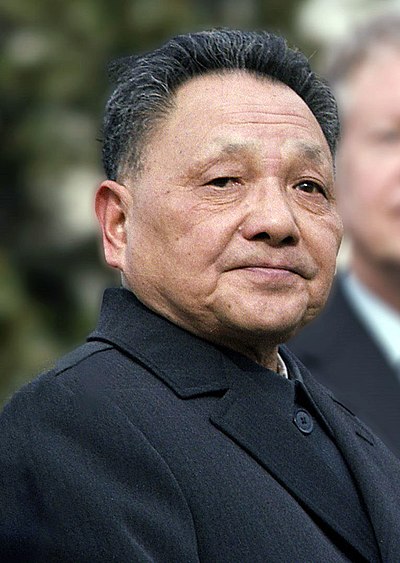
Deng Xiaoping
Architect of China's economic reforms, opening the country to market forces.

Kwame Nkrumah
Led Ghana to independence and pursued rapid, state-led industrialization and Pan-Africanism.

Ronald Reagan
Championed supply-side economics, reducing taxes and regulations to spur growth.

Willy Brandt
Normalized relations with the East, expanding trade and social welfare.

Augusto Pinochet
Imposed neoliberal economic reforms in Chile, opening markets and privatizing state assets.

Park Chung-hee
Orchestrated South Korea's rapid export-led industrialization through state capitalism.

Indira Gandhi
Nationalized industries and spurred the Green Revolution for food security.

Nelson Mandela
Led South Africa's transition from apartheid to multiracial democracy and economic reconciliation.

Sheikh Zayed bin Sultan Al Nahyan
Unified the UAE and directed oil wealth into modern infrastructure and diversification.
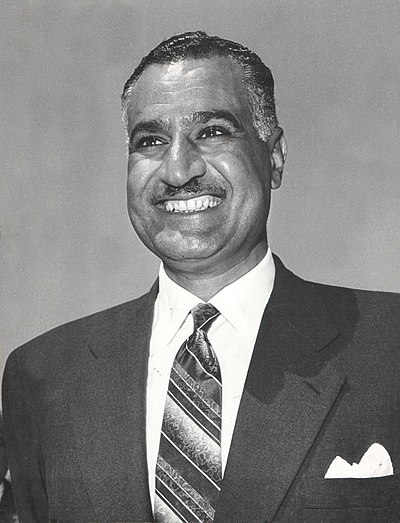
Gamal Abdel Nasser
Introduced Arab socialism and state control to Egypt's economy, modernizing its infrastructure.

Suharto
Indonesian authoritarian president who fostered rapid economic growth alongside widespread corruption.

Julius Nyerere
Championed "Ujamaa" African socialism, emphasizing self-reliance and rural collectivization.
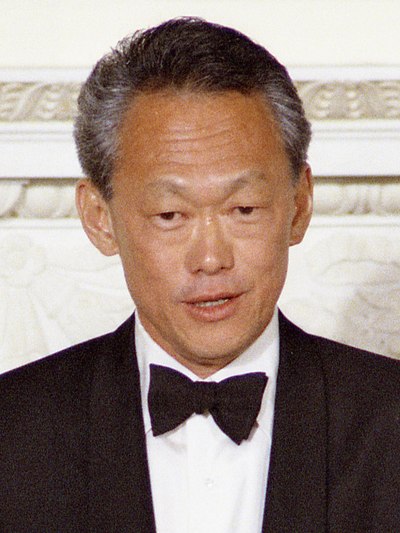
Lee Kuan Yew
Architect of Singapore's rapid economic ascent through disciplined state capitalism.

Robert Mugabe
Led Zimbabwe to economic ruin through land seizures and disastrous fiscal policies.

Margaret Thatcher
British Prime Minister who implemented free-market reforms and reduced state intervention.
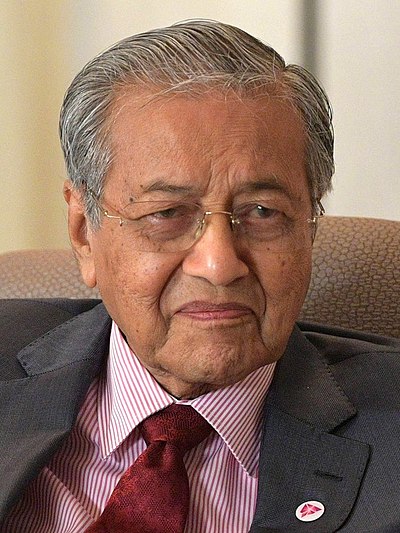
Mahathir Mohamad
Modernized Malaysia through industrial policy, infrastructure, and 'Look East' strategies.

Fidel Castro
Led Cuba's revolution, establishing a centrally planned socialist economy.

Turgut Ozal
Modernized the Turkish economy through comprehensive market liberalization and export orientation.
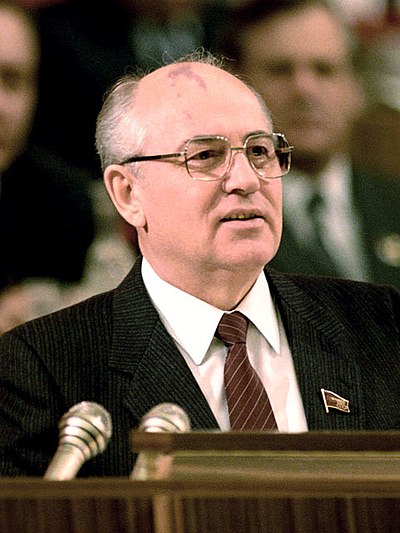
Mikhail Gorbachev
Attempted to reform the Soviet economy through Perestroika, leading to its collapse.

Manmohan Singh
Architect of India's 1991 economic reforms, transforming a socialist economy.

Vaclav Havel
Guided Czechoslovakia's post-communist market transition, fostering democracy.
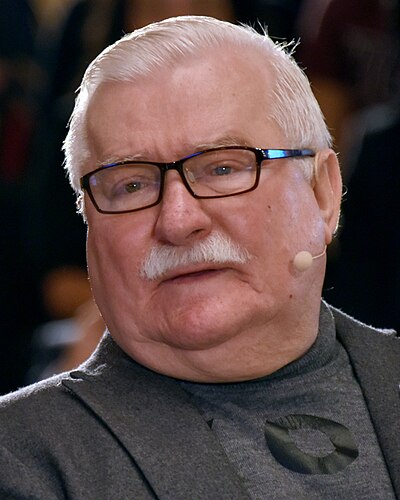
Lech Walesa
Led Solidarity, initiating Poland's transition from communism to a market economy.

Lula da Silva
Expanded social welfare and reduced poverty amid Brazil's commodity boom.

Kemal Dervis
Turkish economist who stabilised his nation's economy and led international development efforts.

Xi Jinping
Strengthened state control over China's economy while pursuing global influence.
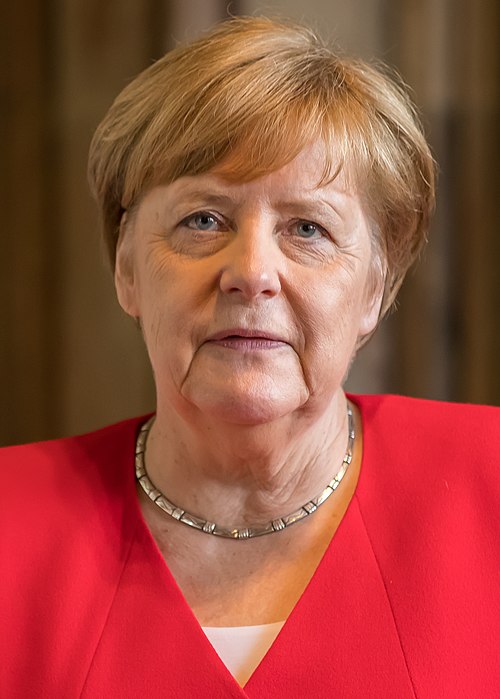
Angela Merkel
Led Germany and Europe through economic crises with fiscal discipline and stability.

Hugo Chavez
Venezuelan president who used oil wealth for socialist programs and nationalizations.

Paul Kagame
Guided Rwanda's post-genocide economic recovery through state-led development and technology.