Home
→
Figures
Historical Figures

Abraham Lincoln
Preserved the Union, abolished slavery, and fostered a national industrial economy.

Adam Smith
Father of modern economics; articulated market self-regulation and free trade.

Alan Greenspan
Long-serving Fed Chair, influenced monetary policy through economic booms and busts.

Albert Einstein
Physicist whose relativity theories reshaped understanding of the universe and technology.
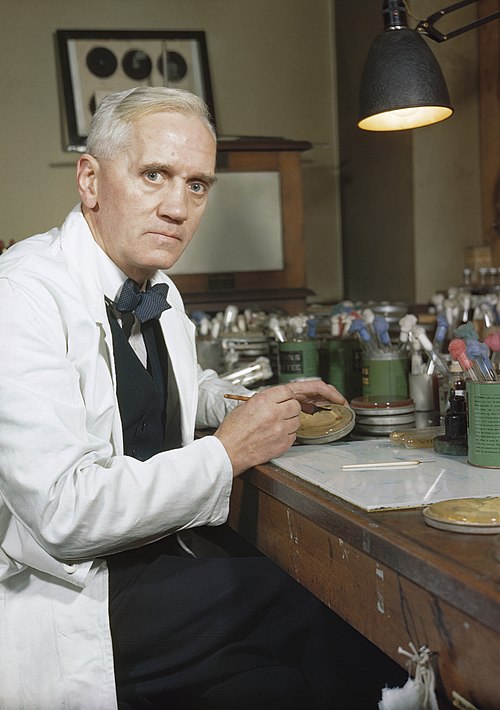
Alexander Fleming
Microbiologist whose discovery of penicillin transformed medicine and public health.

Alexander Graham Bell
Inventor of the telephone, creating a global communications industry.

Alexis de Tocqueville
Observed American democracy's economic and social implications for Europe.

Alfred Marshall
Synthesizer of neoclassical economics; formalized supply and demand.

Amartya Sen
Pioneered welfare economics, linking poverty, famine, and development to individual capabilities.

Andrew Carnegie
Steel magnate who pioneered industrial consolidation and modern philanthropy.
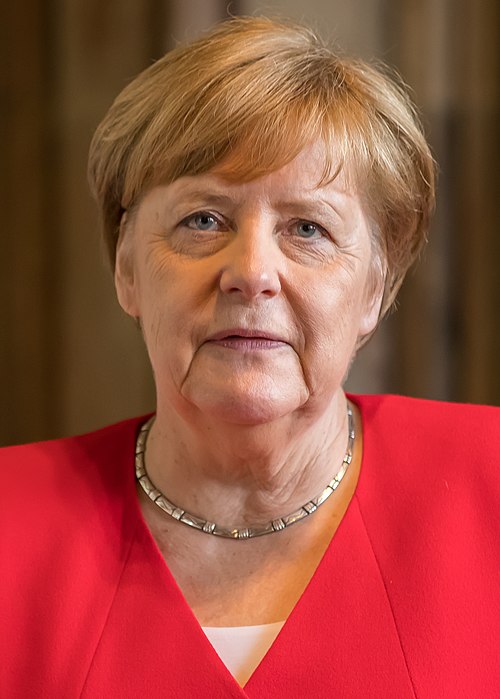
Angela Merkel
Led Germany and Europe through economic crises with fiscal discipline and stability.

Augusto Pinochet
Imposed neoliberal economic reforms in Chile, opening markets and privatizing state assets.

Ben Bernanke
Fed Chair who innovated monetary policy during the 2008 financial crisis.

Benito Juarez
Mexican liberal president who championed economic reforms, land redistribution, and national sovereignty.

Carl von Clausewitz
Theorized war's political nature, influencing state resource allocation for conflict.

Charles Darwin
Naturalist whose theory of evolution by natural selection reshaped biology and society.

Charles de Gaulle
Established the Fifth Republic, strengthening the state's economic role and sovereignty.

Claude Shannon
Mathematician whose Information Theory revolutionized digital communication and data economics.

Confucius
Philosopher of ethical governance, fostering social stability for economic welfare.

Dambisa Moyo
Economist challenging conventional foreign aid and advocating market-driven development for Africa.
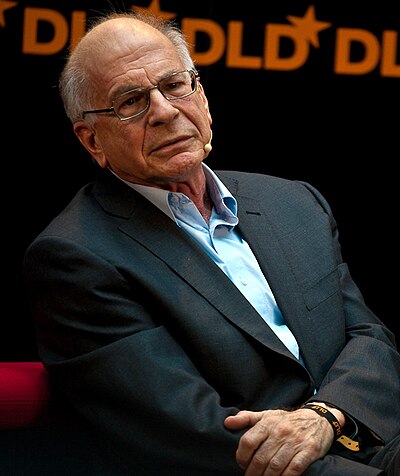
Daniel Kahneman
Integrated psychology and economics to explain irrational decision-making.

Daron Acemoglu
Linked long-run economic growth to inclusive political and economic institutions.

David Ben-Gurion
Architect of Israel's state and economy, absorbed millions despite austerity.

David Ricardo
Systematized classical economics; formulated comparative advantage and iron law of wages.
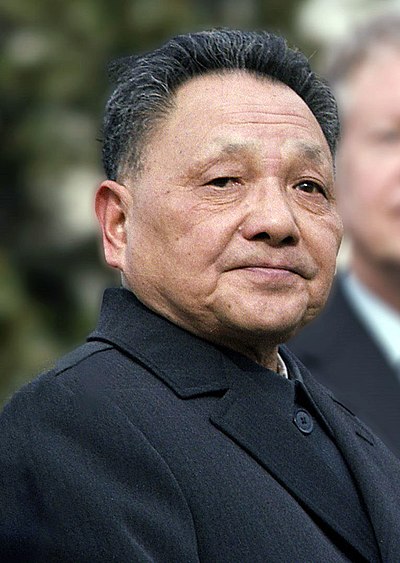
Deng Xiaoping
Architect of China's economic reforms, opening the country to market forces.

Douglas MacArthur
Orchestrated Japan's post-war reconstruction, reshaping its economy and political structure.

Eli Whitney
Inventor of the cotton gin, who transformed Southern agriculture and industry.
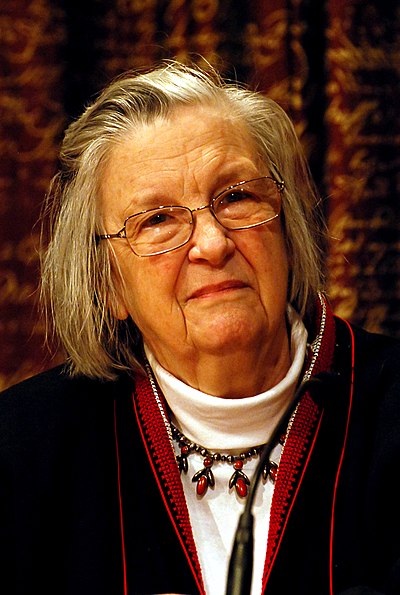
Elinor Ostrom
Demonstrated how communities can successfully manage common resources without privatization or state control.

Esther Duflo
Pioneered Randomized Controlled Trials for effective poverty alleviation and development policy.

Fidel Castro
Led Cuba's revolution, establishing a centrally planned socialist economy.
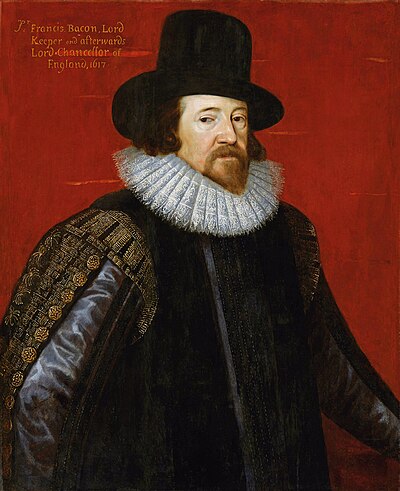
Francis Bacon
Championed empiricism, laying foundations for science-driven economic progress.

Francois Quesnay
Founder of Physiocracy, argued agriculture was the sole source of wealth.

Franklin D. Roosevelt
U.S. President who implemented the New Deal and led during World War II.

Friedrich Hayek
Advocate for free markets; warned against central planning and state control.

Friedrich List
Advocated industrial protectionism for national economic strength and German unification.
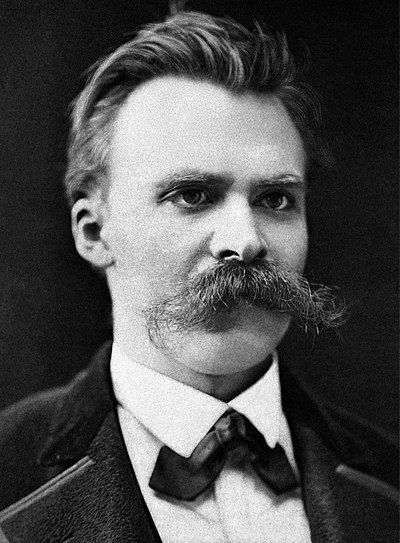
Friedrich Nietzsche
Critic of conventional morality, influencing cultural values impacting economic motives.

Fritz Haber
Chemist who developed ammonia synthesis, feeding billions but also creating chemical weapons.

Galileo Galilei
Pioneered empirical science, accelerating navigation, industry, and the scientific revolution.
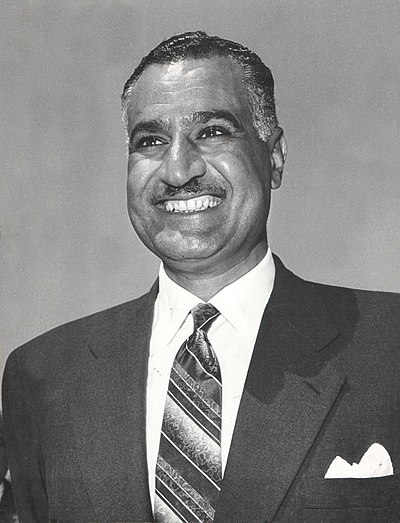
Gamal Abdel Nasser
Introduced Arab socialism and state control to Egypt's economy, modernizing its infrastructure.

Gary Becker
Applied economic rationality to explain human capital and social behaviors.

Georg Wilhelm Friedrich Hegel
Philosopher whose dialectic influenced economic thought on historical development and state's role.

Grace Hopper
Naval officer and computer scientist who pioneered compilers and high-level programming languages.
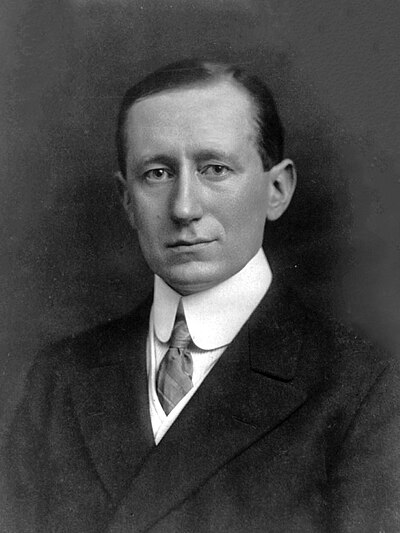
Guglielmo Marconi
Pioneer of radio communication, commercializing wireless telegraphy.

Gunnar Myrdal
Swedish economist analyzing cumulative causation and institutional factors in development.

Ha-Joon Chang
Challenges free-market orthodoxy, advocating strategic industrial policy for development.

Hannah Arendt
Theorist of totalitarianism, clarifying its destruction of public and economic life.
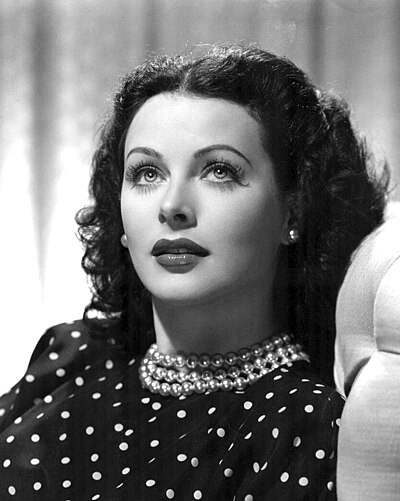
Hedy Lamarr
Actress and inventor whose frequency-hopping technology underpins modern wireless communication.

Henry Ford
Automotive industrialist who democratized the automobile through mass production.

Hernando de Soto
Linked poverty to informal property rights, advocating for formalizing 'dead capital.'

Horatio Nelson
Secured British maritime dominance, protecting trade and projecting economic power.

Hugo Chavez
Venezuelan president who used oil wealth for socialist programs and nationalizations.

Hyman Minsky
Financial economist known for his hypothesis of inherent instability in capitalist economies.

Ibn Khaldun
Pioneering social theorist linking political cycles to economic development.

Immanuel Kant
Philosopher who shaped ethical foundations for economic conduct and international cooperation.

Indira Gandhi
Nationalized industries and spurred the Green Revolution for food security.

Irving Fisher
Developed monetary theory, linking money supply to prices and advocating stable currency.

Isaac Newton
Physicist, mathematician, and Master of the Mint who codified natural laws and stabilized currency.

Isambard Kingdom Brunel
Visionary engineer who connected Britain with railways, ships, and bridges.

J. Robert Oppenheimer
Physicist who led the Manhattan Project, initiating the nuclear age.

James Clerk Maxwell
Unified electromagnetism, foundational to modern communication and electrical industries.

Janet Yellen
First female Fed Chair and Treasury Secretary, focused on full employment and stable prices.

Jawaharlal Nehru
India's first Prime Minister, architect of its non-aligned, mixed-economy model.

Jean Monnet
Architect of European integration, fostering economic interdependence for peace.

Jean-Baptiste Say
French economist formulating Say's Law and emphasizing entrepreneurship's role in production.

Jean-Jacques Rousseau
Philosopher whose social contract theories influenced ideas on equality and state economic intervention.

Jeremy Bentham
Founder of utilitarianism, advocating for laws that maximise societal utility.

Joan Robinson
Criticized neoclassical economics, developed imperfect competition theory and capital theory.

Johannes Gutenberg
Invented the movable type printing press, democratizing knowledge and transforming economies.
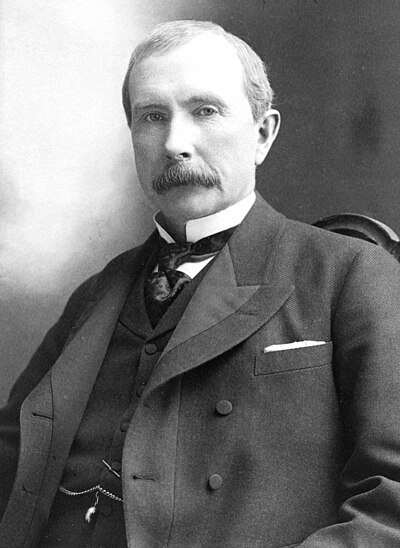
John D. Rockefeller
Founder of Standard Oil, who dominated the American petroleum industry.
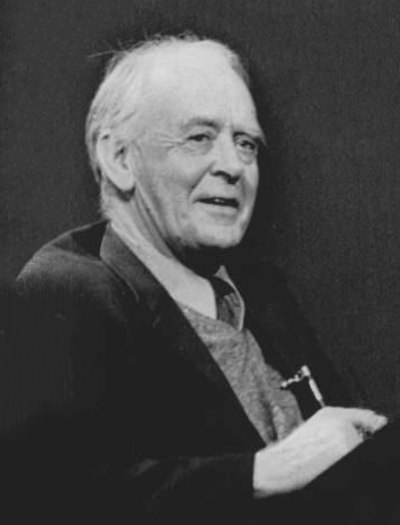
John Hicks
Synthesized economic theory, famous for the IS-LM model and general equilibrium.

John Kenneth Galbraith
Critiqued corporate power and the 'affluent society,' advocating for public sector investment.

John Locke
Philosopher whose ideas on natural rights and property influenced liberal economic thought.

John Maynard Keynes
Architect of modern macroeconomics; advocated government intervention to stabilize economies.

John Nash
Developed Nash Equilibrium, revolutionizing economic understanding of strategic interactions.

John Rawls
Theorist of justice as fairness, shaping discourse on equitable economic distribution.

John Stuart Mill
Champion of liberty; integrated economics with ethics and social reform.

John von Neumann
Architect of modern computing and game theory, shaping economics and defense.

Joseph Schumpeter
Theorized creative destruction; emphasized innovation and entrepreneurship in economic growth.

Joseph Stalin
Imposed forced industrialization and collectivization through a centrally planned economy.

Joseph Stiglitz
Analyzed asymmetric information and critiqued market fundamentalism, influencing development economics.

Josip Broz Tito
Led Yugoslavia with self-management and non-alignment, balancing East and West.

Juan Perón
Championed populist economic policies, nationalization, and worker empowerment in Argentina.

Julius Nyerere
Championed "Ujamaa" African socialism, emphasizing self-reliance and rural collectivization.

Karl Marx
Critic of capitalism; theorized class struggle and historical materialism.

Kemal Dervis
Turkish economist who stabilised his nation's economy and led international development efforts.

Kenneth Arrow
Developed social choice theory, general equilibrium, and established impossibility theorem.

Konrad Adenauer
Led West Germany's post-war reconstruction and integration into Western institutions.

Kwame Nkrumah
Led Ghana to independence and pursued rapid, state-led industrialization and Pan-Africanism.
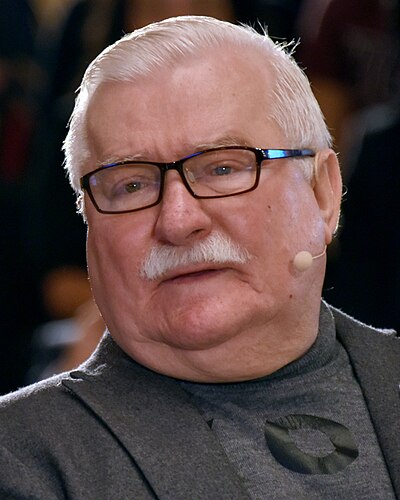
Lech Walesa
Led Solidarity, initiating Poland's transition from communism to a market economy.
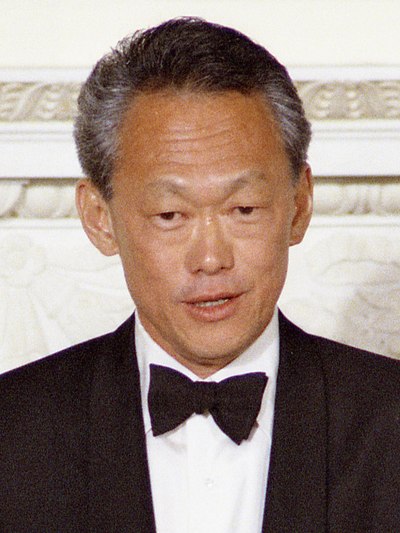
Lee Kuan Yew
Architect of Singapore's rapid economic ascent through disciplined state capitalism.
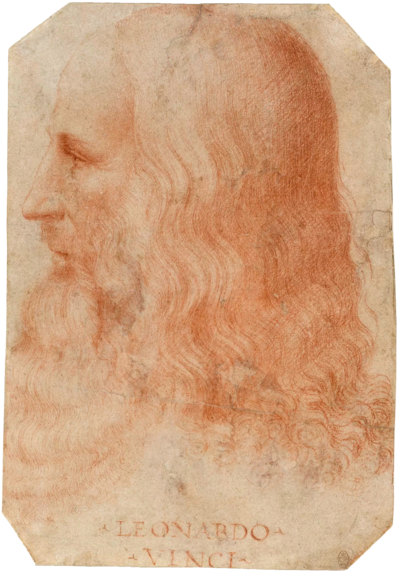
Leonardo da Vinci
Renaissance polymath whose engineering and art shaped economic patronage and innovation.

Louis Pasteur
Chemist and microbiologist whose germ theory revolutionized food safety and medicine.

Ludwig Erhard
Architect of West Germany's 'Social Market Economy' and post-war prosperity.

Ludwig von Mises
Championed free markets, criticizing socialism for its inherent economic calculation problem.

Lula da Silva
Expanded social welfare and reduced poverty amid Brazil's commodity boom.
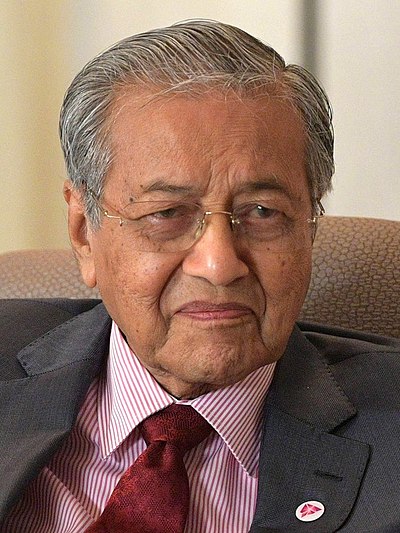
Mahathir Mohamad
Modernized Malaysia through industrial policy, infrastructure, and 'Look East' strategies.

Mahatma Gandhi
Led India's independence movement through nonviolent resistance and economic self-sufficiency.

Manmohan Singh
Architect of India's 1991 economic reforms, transforming a socialist economy.

Mao Zedong
Founded the People's Republic of China and shaped its communist economic development.

Margaret Thatcher
British Prime Minister who implemented free-market reforms and reduced state intervention.

Marie Curie
Physicist and chemist, pioneer in radioactivity research and two-time Nobel laureate.

Max Weber
Theorist of modern bureaucracy and capitalism's cultural origins.

Michael Faraday
Discovered electromagnetic induction, powering the age of electricity and industry.
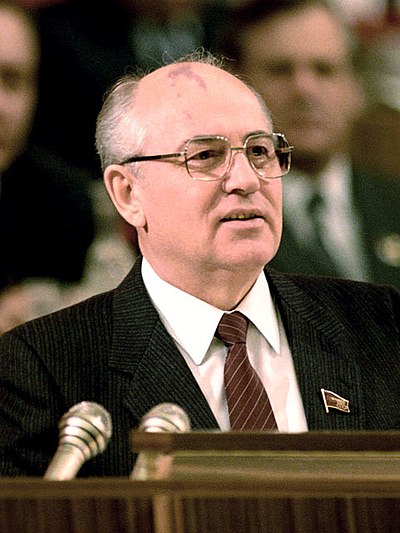
Mikhail Gorbachev
Attempted to reform the Soviet economy through Perestroika, leading to its collapse.

Milton Friedman
Leading monetarist; advocated free markets and limited government.

Montesquieu
Philosopher whose separation of powers theory promoted stable, predictable governance for commerce.

Muhammad Yunus
Pioneered microfinance and founded Grameen Bank to alleviate poverty.

Mustafa Kemal Ataturk
Founder of modern Turkey, implemented secular, statist economic and social reforms.

Napoleon Bonaparte
Centralized French administration and spread liberal legal and economic reforms across Europe.

Nassim Nicholas Taleb
Scholar of uncertainty and risk, known for 'Black Swan' theory and 'Antifragility.'

Nelson Mandela
Led South Africa's transition from apartheid to multiracial democracy and economic reconciliation.

Niccolo Machiavelli
Architect of political realism; separated statecraft from morality for economic stability.
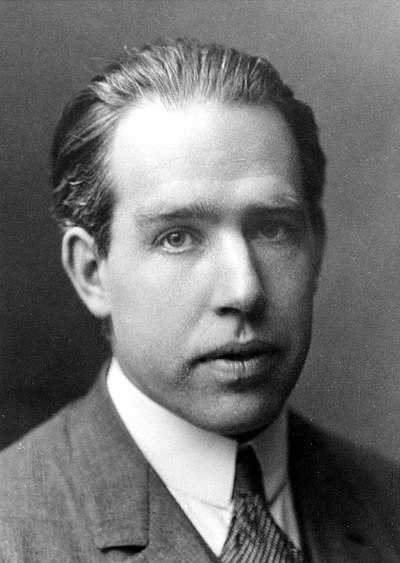
Niels Bohr
Pioneered quantum mechanics, foundational for nuclear energy and modern electronics.

Norman Borlaug
Agricultural scientist whose high-yield crops spurred the Green Revolution, saving billions.

Otto von Bismarck
Unified Germany and pioneered the modern welfare state for social stability.

Park Chung-hee
Orchestrated South Korea's rapid export-led industrialization through state capitalism.

Paul Kagame
Guided Rwanda's post-genocide economic recovery through state-led development and technology.

Paul Samuelson
Modernized economics; synthesized diverse theories into a unified framework.

Paul Volcker
Imposed severe monetary policy to conquer crippling inflation in the US.

Raul Prebisch
Developed dependency theory, advocating import-substitution industrialization for developing nations.

Richard Feynman
Revolutionized quantum electrodynamics, inspiring innovation in computing and nanotechnology.

Robert Koch
Identified disease-causing microbes, transforming public health and medical economics.

Robert Mugabe
Led Zimbabwe to economic ruin through land seizures and disastrous fiscal policies.

Robert Schuman
Proposed the ECSC, initiating Europe's economic and political integration.

Robert Solow
Developed neoclassical growth model, emphasizing technology and capital in economic expansion.

Ronald Reagan
Championed supply-side economics, reducing taxes and regulations to spur growth.

Rosa Luxemburg
Marxist theorist and revolutionary; critiqued capitalism's imperialist expansion and reformism.

Saladin
Consolidated a vast empire, stabilizing its economy and trade through effective administration.

Sheikh Zayed bin Sultan Al Nahyan
Unified the UAE and directed oil wealth into modern infrastructure and diversification.

Steve Jobs
Co-founder of Apple, who redefined personal computing and consumer electronics.

Suharto
Indonesian authoritarian president who fostered rapid economic growth alongside widespread corruption.

Sukarno
First President of Indonesia, championed independence, non-alignment, and a guided economy.

Thomas Hobbes
Philosopher advocating absolute sovereignty for social order, a precondition for stable economic activity.

Thomas Jefferson
Doubled US territory; championed agrarianism and fiscal restraint.

Thomas Malthus
Argued population grows geometrically while food supply increases arithmetically.

Thomas Piketty
Documented rising wealth inequality and proposed global capital taxation.

Thorstein Veblen
Institutionalist economist critiquing conspicuous consumption and the leisure class's economic role.

Tim Berners-Lee
Computer scientist who invented the World Wide Web, creating a global digital economy.

Turgut Ozal
Modernized the Turkish economy through comprehensive market liberalization and export orientation.

Vaclav Havel
Guided Czechoslovakia's post-communist market transition, fostering democracy.

Vannevar Bush
Architect of U.S. science policy, creating the framework for post-war R&D funding.

Vladimir Lenin
Led the Bolshevik Revolution, establishing the world's first communist state.

Voltaire
Enlightenment advocate for free speech and free trade, challenging economic protectionism.
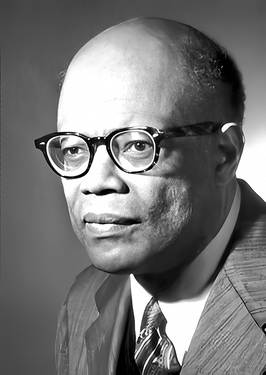
W. Arthur Lewis
Developed the dual-sector model of economic development for labor-surplus economies.

Werner Siemens
Innovator who commercialized electrical engineering and built a global industrial enterprise.

Wernher von Braun
Architect of space age rocketry, from V-2s to Saturn V.

Willy Brandt
Normalized relations with the East, expanding trade and social welfare.

Winston Churchill
British Prime Minister who led the UK during World War II and managed post-war economic challenges.

Woodrow Wilson
Established the Federal Reserve and shaped WWI economic mobilization.

Xi Jinping
Strengthened state control over China's economy while pursuing global influence.